
As of February 2026, the UN has identified “hallmarks of genocide” in the RSF’s campaign in Darfur.
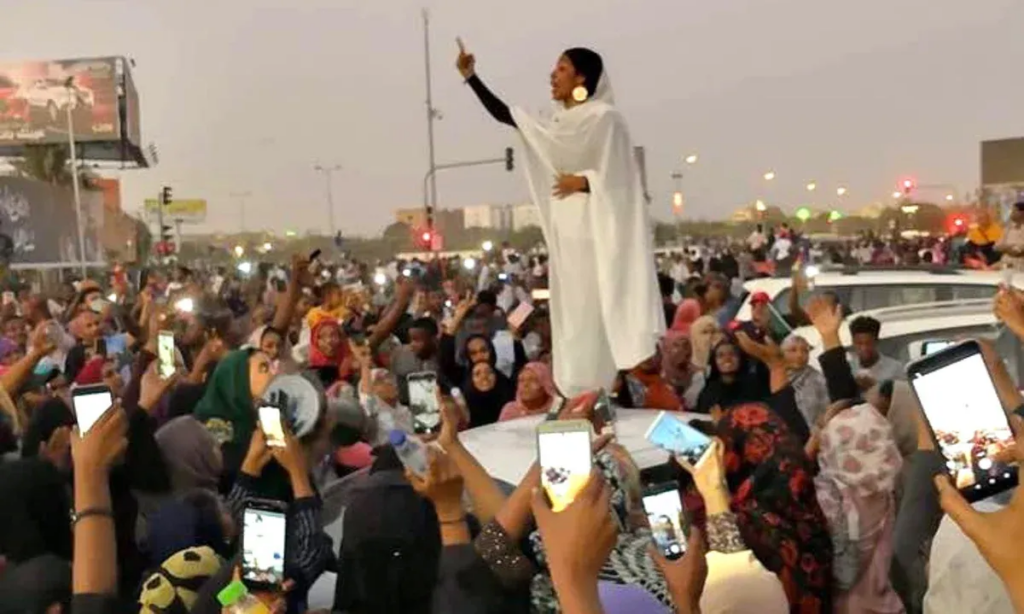
Image credit: The Guardian / Sudanese photographers, 2019
Imagine waking up one morning in a country that seemed on the brink of democracy, only to find your capital city turned into a war zone overnight. That is exactly what happened to millions of Sudanese people on April 15, 2023. What began as a power struggle between two rival generals has spiraled into the world’s largest humanitarian crisis, with echoes of the 2000s Darfur genocide. This essay walks you through the story step by step—why it started, how it exploded, and where things stand today—so you can understand the human stakes without needing prior knowledge.
The Roots: Hope, Then a 2021 Power Grab
Sudan’s modern troubles trace back to the long dictatorship of Omar al-Bashir, who ruled from 1989 until a popular uprising forced him out in April 2019. That revolution was remarkable: millions of Sudanese—especially young people and women—protested peacefully for democracy after decades of corruption, economic collapse, and brutal repression. A transitional government was formed in 2019, promising civilian rule and accountability for past crimes, including the genocide in Darfur (2003–2005), where government-backed Arab militias known as the Janjaweed killed hundreds of thousands of non-Arab villagers.
But the military never fully stepped aside. In October 2021, General Abdel Fattah al-Burhan (head of the Sudanese Armed Forces, or SAF) and his deputy, Mohamed Hamdan Dagalo (widely known as Hemedti, commander of the Rapid Support Forces, or RSF—a powerful paramilitary group that grew out of the Janjaweed), staged a coup. They dissolved the civilian-led government and seized control. For the next 18 months, the two men competed for ultimate power while pretending to share it. The key flashpoint: whether Hemedti’s RSF fighters would be folded into Burhan’s regular army. Neither trusted the other, and both wanted to protect their economic empires (gold mines, ports, and foreign deals).
April 2023: The War Erupts
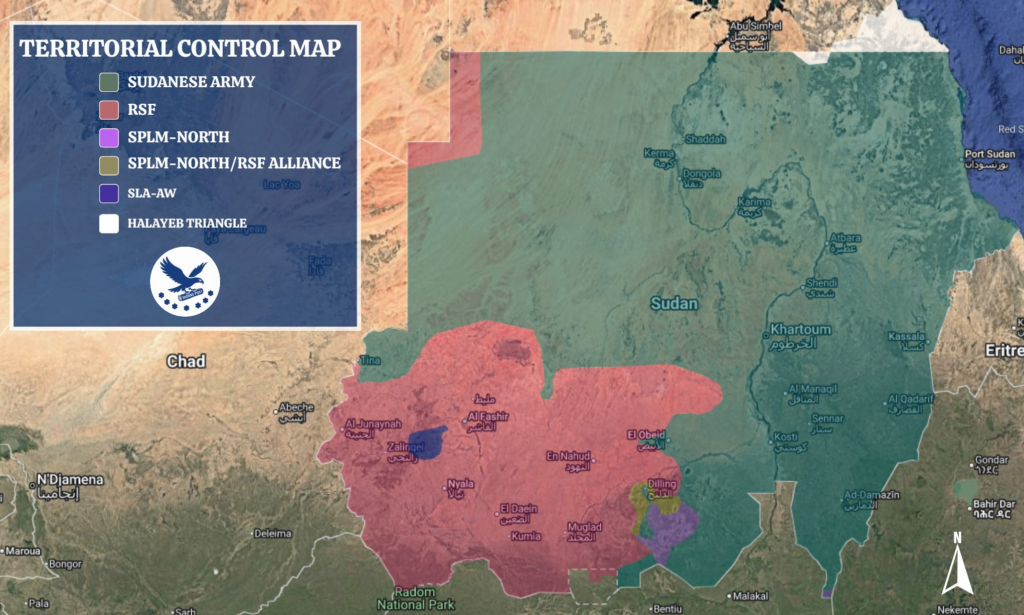
On April 15, 2023, the rivalry exploded into open fighting in Khartoum, Sudan’s capital. Tanks rolled through the streets, fighter jets screamed overhead, and civilians were caught in the crossfire. What was supposed to be a quick power grab turned into a brutal stalemate. The RSF, being more mobile and battle-hardened, quickly seized large parts of Khartoum and much of western Sudan (Darfur). The SAF retreated but kept control of the east, the Red Sea coast, and airpower.
Within weeks the war spread nationwide. Both sides recruited local militias, turning neighbor-against-neighbor fights into ethnic massacres in some areas. Foreign powers quietly fueled the fire: the United Arab Emirates has been accused of arming the RSF; Egypt and others back the SAF. The result? A fractured country with no front lines—just overlapping zones of control, endless atrocities, and collapsing services.
2024–2025: The Tide Shifts and Darfur Burns Again
By mid-2025 the SAF had clawed back Khartoum and central areas through grinding offensives and superior airpower. But in the west—Darfur—the RSF and its allied militias were unstoppable. The most devastating chapter came in North Darfur. El Fasher, the last major SAF-held city in the region and home to hundreds of thousands of displaced people, had been under RSF siege for 18 months. Food, water, and medicine were deliberately cut off.
In late October 2025 the RSF finally overran El Fasher. In the first three days alone, more than 6,000 people were killed. Survivors described door-to-door executions, mass rapes (including girls as young as seven), torture, looting, and bodies left in the streets. The siege itself had already forced people to eat animal fodder. These horrors were not random—they followed a clear ethnic pattern: non-Arab communities (primarily the Fur, Zaghawa, and Masalit peoples) were targeted while Arab groups aligned with the RSF were spared or even rewarded.
Where Things Stand Today (April 2026)
The war is now in its third year and looks like a bloody deadlock. The SAF controls the east and parts of the center; the RSF dominates Darfur and swaths of the west. Neither side can deliver a knockout blow, so civilians pay the price.
The numbers are almost incomprehensible:
- Nearly 34 million people—two-thirds of Sudan’s population—need humanitarian aid.
- Over 12 million have been forced from their homes (the largest displacement crisis on Earth).
- 24+ million face acute hunger; famine has been officially declared in El Fasher, Kadugli, and other districts, with many more areas on the brink.
- Direct deaths are estimated in the tens of thousands; indirect deaths from starvation and disease are far higher.
Both armies have committed war crimes—indiscriminate bombing, rape, looting, blocking aid—but the RSF’s campaign in Darfur stands apart. In February 2026 the United Nations Independent International Fact-Finding Mission concluded that RSF actions in El Fasher showed “hallmarks of genocide,” with clear evidence of intent to destroy targeted ethnic groups “in whole or in part.” The U.S. government reached a similar genocide determination in January 2025 and imposed sanctions on RSF leaders. Sexual violence has been used systematically as a weapon of humiliation and community destruction.
Why This Matters—and Why the World Has Looked Away
This is not just another distant civil war. It is a preventable catastrophe that threatens to destabilize the entire Horn of Africa through refugees, famine spillover, and extremism. Aid groups like the International Rescue Committee call it the most under-reported crisis on the planet, squeezed out by other global headlines and complicated by the lack of easy “good guys vs. bad guys” framing.
Yet ordinary Sudanese—doctors treating the wounded without electricity, teachers hiding students from militias, mothers walking for days with starving children—continue to show extraordinary resilience. International efforts (UN fact-finding missions, sanctions, and underfunded aid appeals) exist, but they are nowhere near enough.
If you are encountering this story for the first time, the simplest truth is this: Sudan’s people did not choose this war. Two generals fighting for power have unleashed horrors on an entire nation, with the RSF’s ethnic targeting in Darfur carrying the heaviest moral and legal weight. The world can still act—by demanding full aid access, supporting accountability at the International Criminal Court, and pressuring foreign backers to stop fueling the fire.
Sources (All directly linked for further reading)
- Council on Foreign Relations (CFR) Global Conflict Tracker – comprehensive timeline and background: https://www.cfr.org/global-conflict-tracker/conflict/power-struggle-sudan
- UN Independent International Fact-Finding Mission Report (February 2026) on “hallmarks of genocide” in El Fasher: https://www.ohchr.org/en/documents/thematic-reports/ahrc6177-sudan-hallmarks-genocide-el-fasher-report-independent (or full PDF: https://www.ohchr.org/sites/default/files/documents/hrbodies/hrcouncil/sessions-regular/session61/advance-version/a-hrc-61-77-auv-en.pdf)
- U.S. State Department Genocide Determination and accountability measures (January 2025): https://2021-2025.state.gov/genocide-determination-in-sudan-and-imposing-accountability-measures/
- UN OCHA and IRC 2026 Sudan Humanitarian Response Plan and Emergency Watchlist reports (for current displacement, famine, and aid figures)
The Funding Gap
Current Funding Status: The UN humanitarian appeal for Sudan is currently only 16% funded. Without immediate support, millions of lives—including over 825,000 children at risk of severe malnutrition—are in jeopardy.
Please Consider Helping
How You Can Help Right Now Sudan’s crisis is severely underfunded—humanitarian appeals are only a fraction covered. Every contribution and voice matters. Here are the most direct, effective ways to support:
1. Donate to organizations on the ground (tax-deductible for U.S. donors):
- International Rescue Committee (IRC): Leading response to the world’s largest displacement and hunger crisis. They provide emergency aid, health care, and protection for displaced families. → Donate directly to IRC’s Sudan response
- Doctors Without Borders / MSF: Delivering urgent medical care, treating trauma and disease outbreaks in hard-to-reach areas despite attacks on hospitals. → Support MSF Sudan efforts
- UNICEF Sudan Emergency Appeal: Focused on children—nutrition, clean water, education, and protection for the millions of kids at risk. → Donate to UNICEF Sudan
2. Advocate with your elected officials (quick and high-impact): The U.S. and international community can push for more aid access, accountability, and diplomatic pressure.
- Join Sudan Advocacy Week 2026 (April 20–23 in D.C. or virtually) via Emgage Action—tools to contact your Senators and Representatives in minutes. → Sign up and contact lawmakers here
- Or use simple templates from Refugees International to urge support for humanitarian access and the UN Fact-Finding Mission. → Speak Out on Sudan
3. Amplify the story Share this post, follow updates from the sources above, and keep the conversation going. Ordinary Sudanese resilience is extraordinary—your attention and action can help ensure they’re not forgotten.